


Related Products
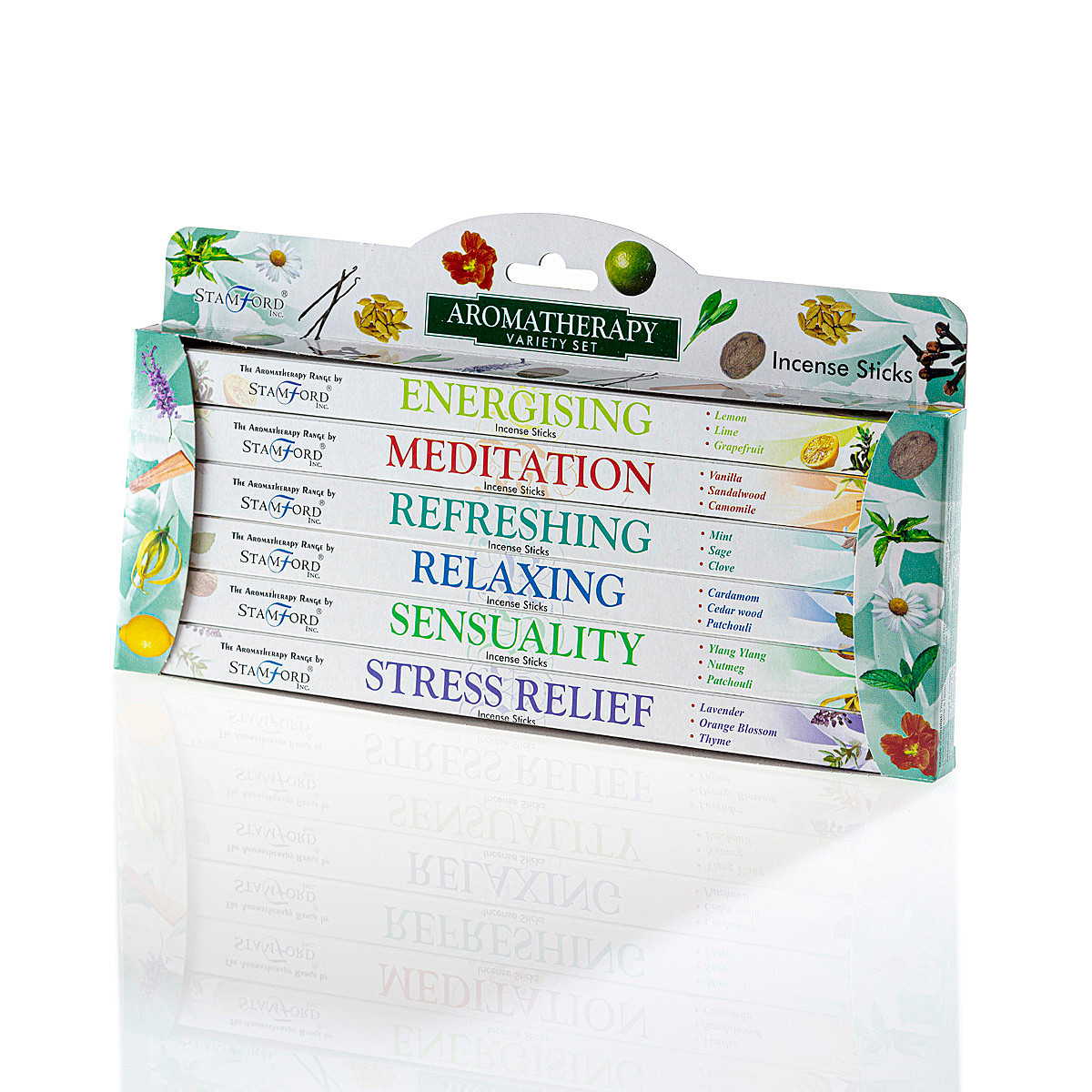

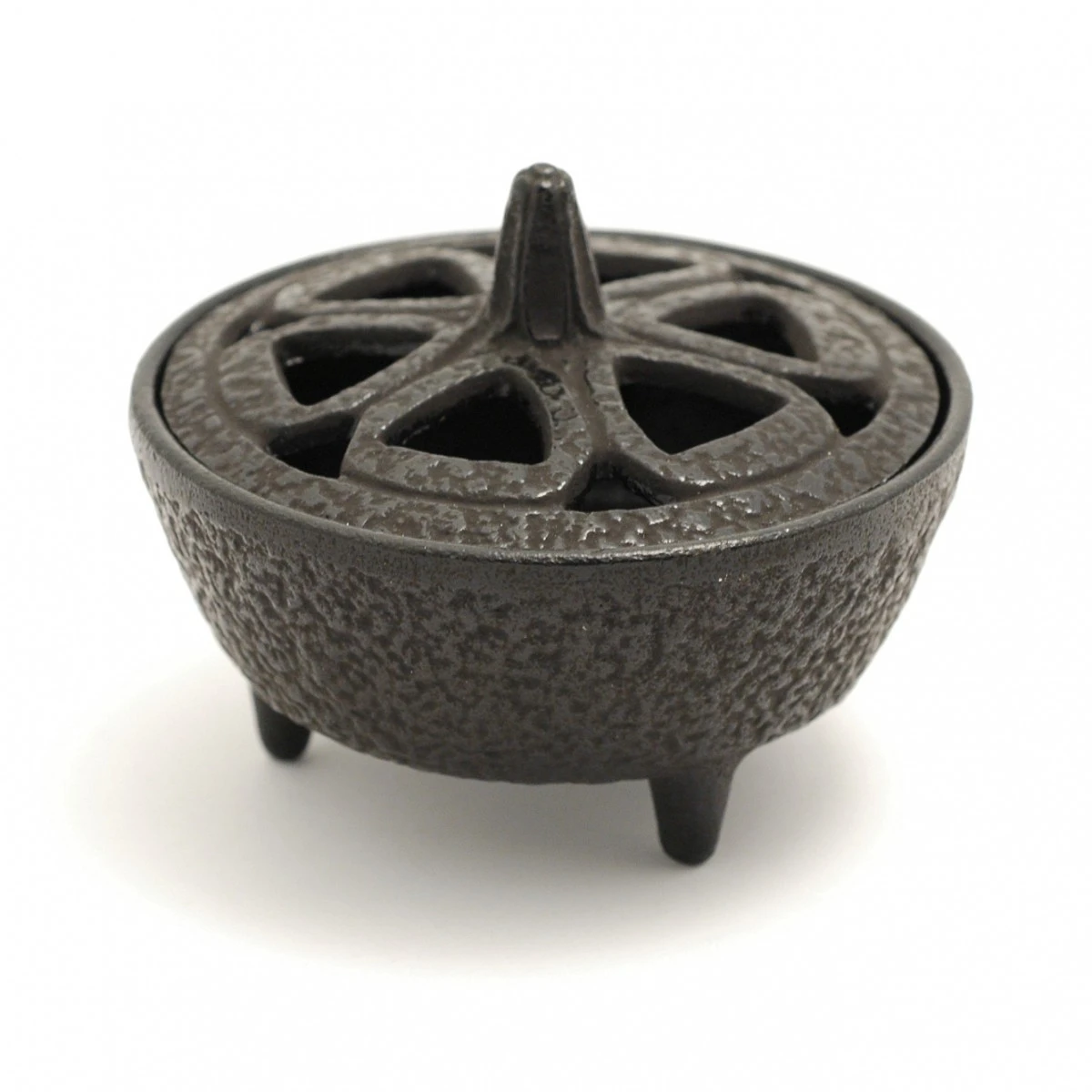
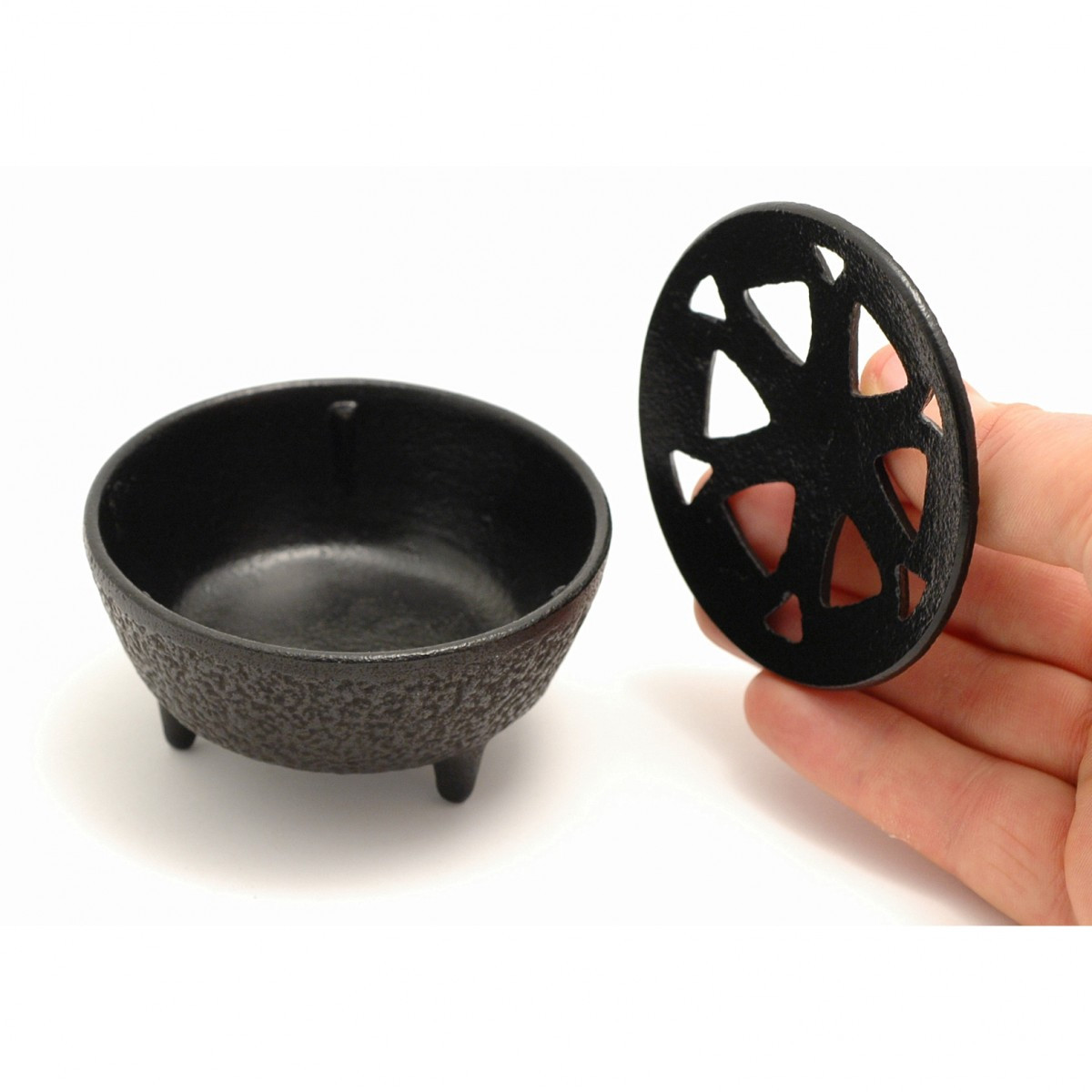

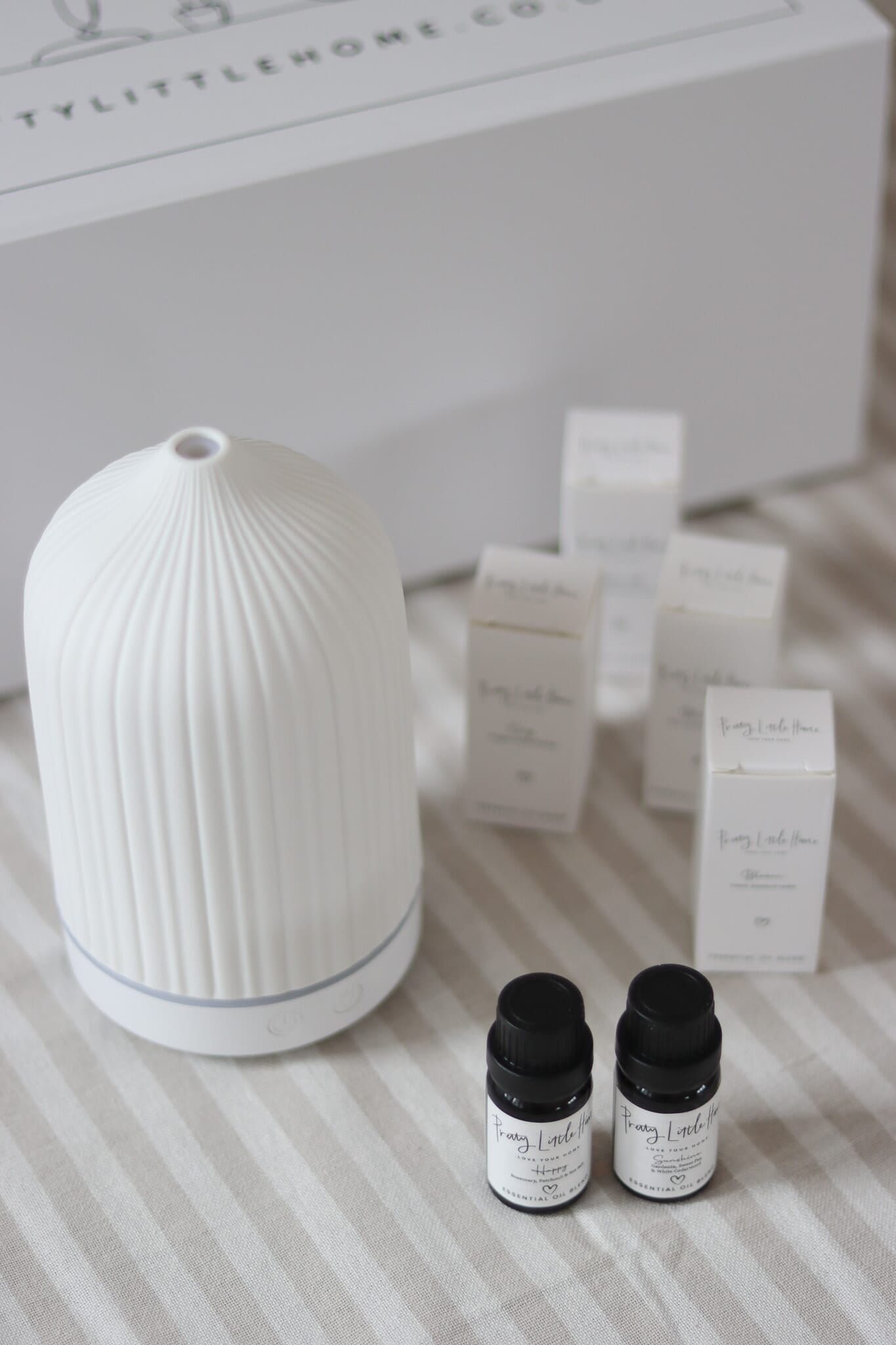
Ceramic Diffuser & Essential Oil Set
Original price was: £175.90.£139.90Current price is: £139.90.
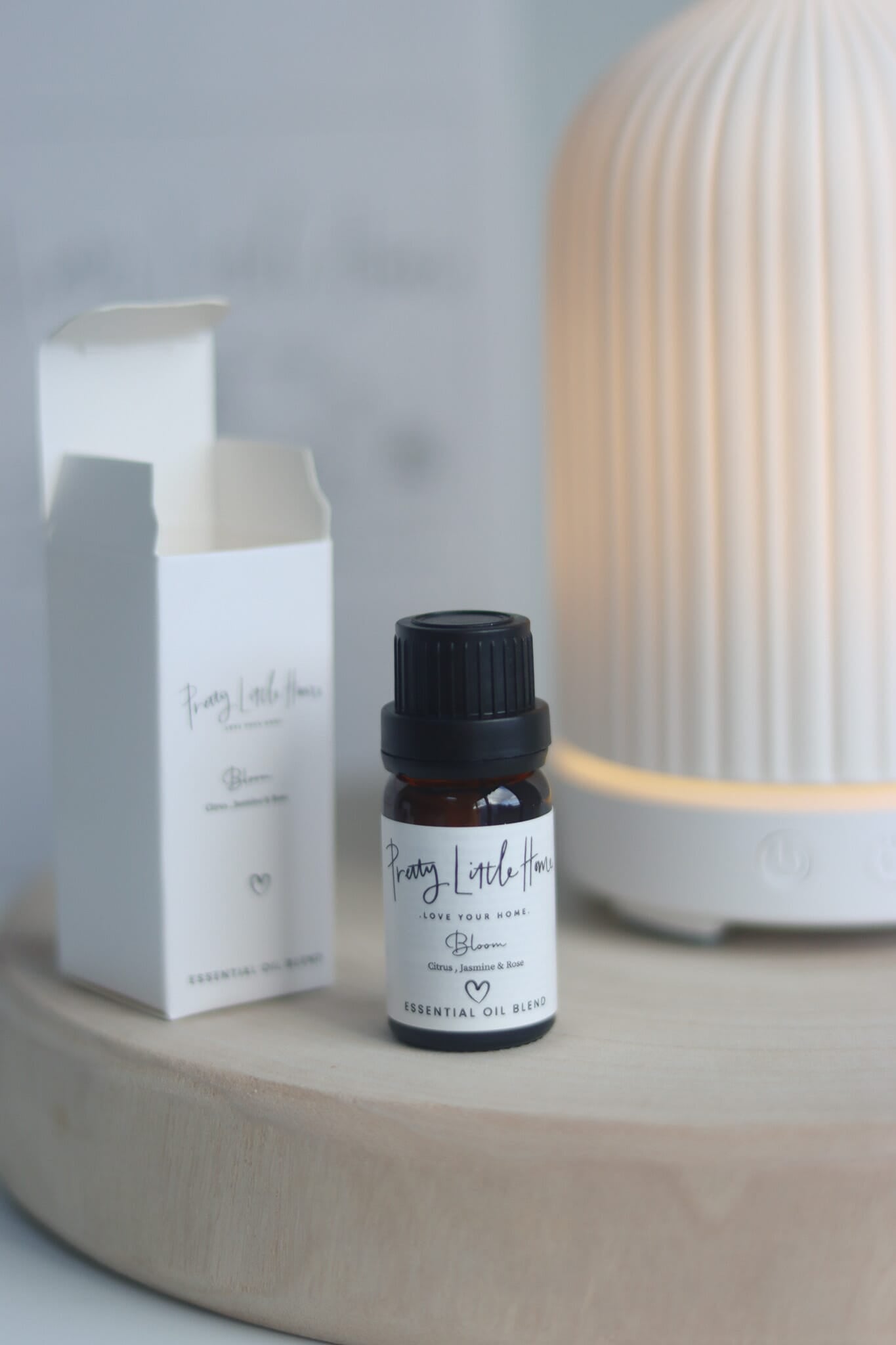
Diffuser Oil - Bloom
£20.00
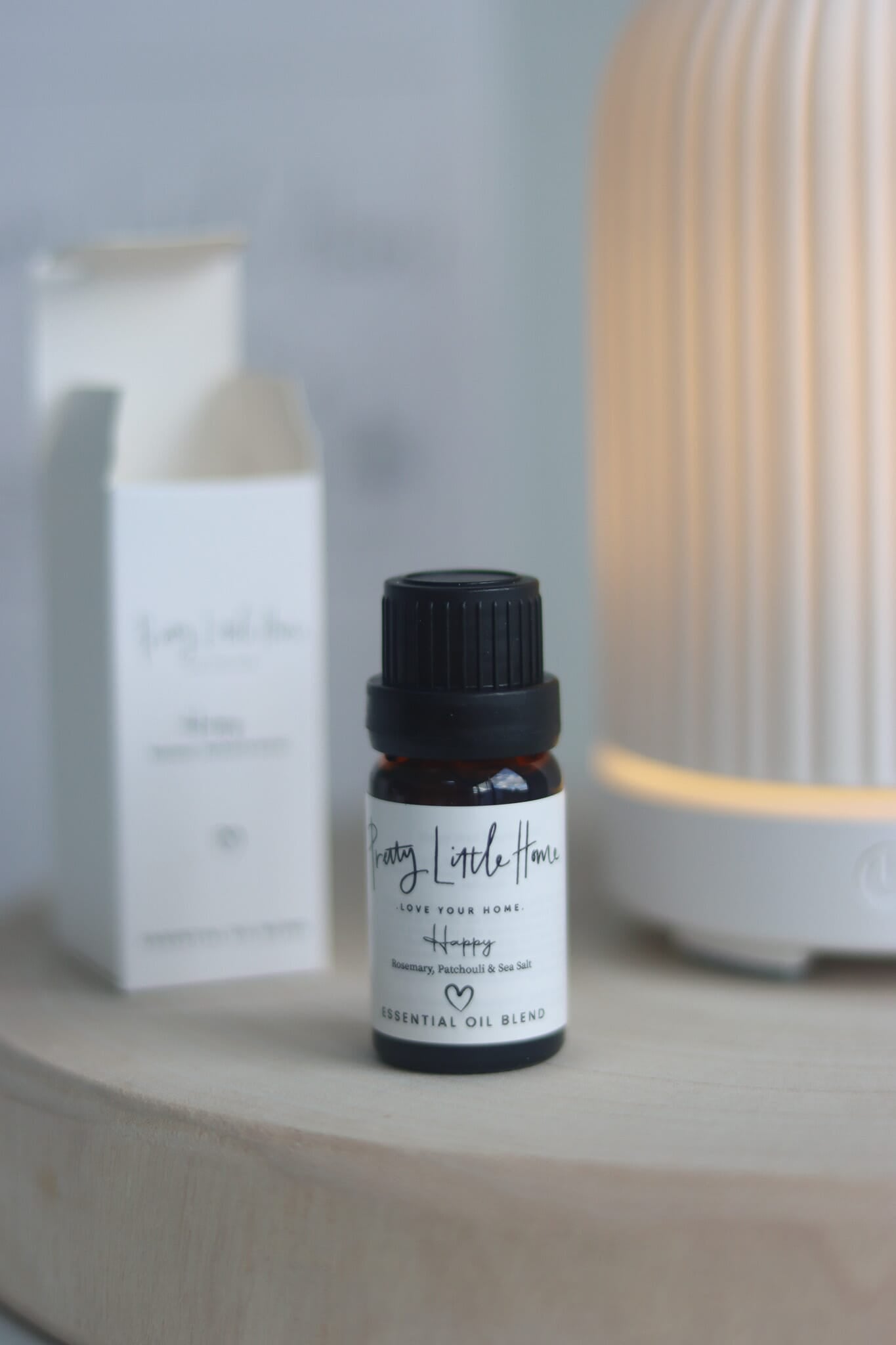
Diffuser Oil - Happy
£20.00






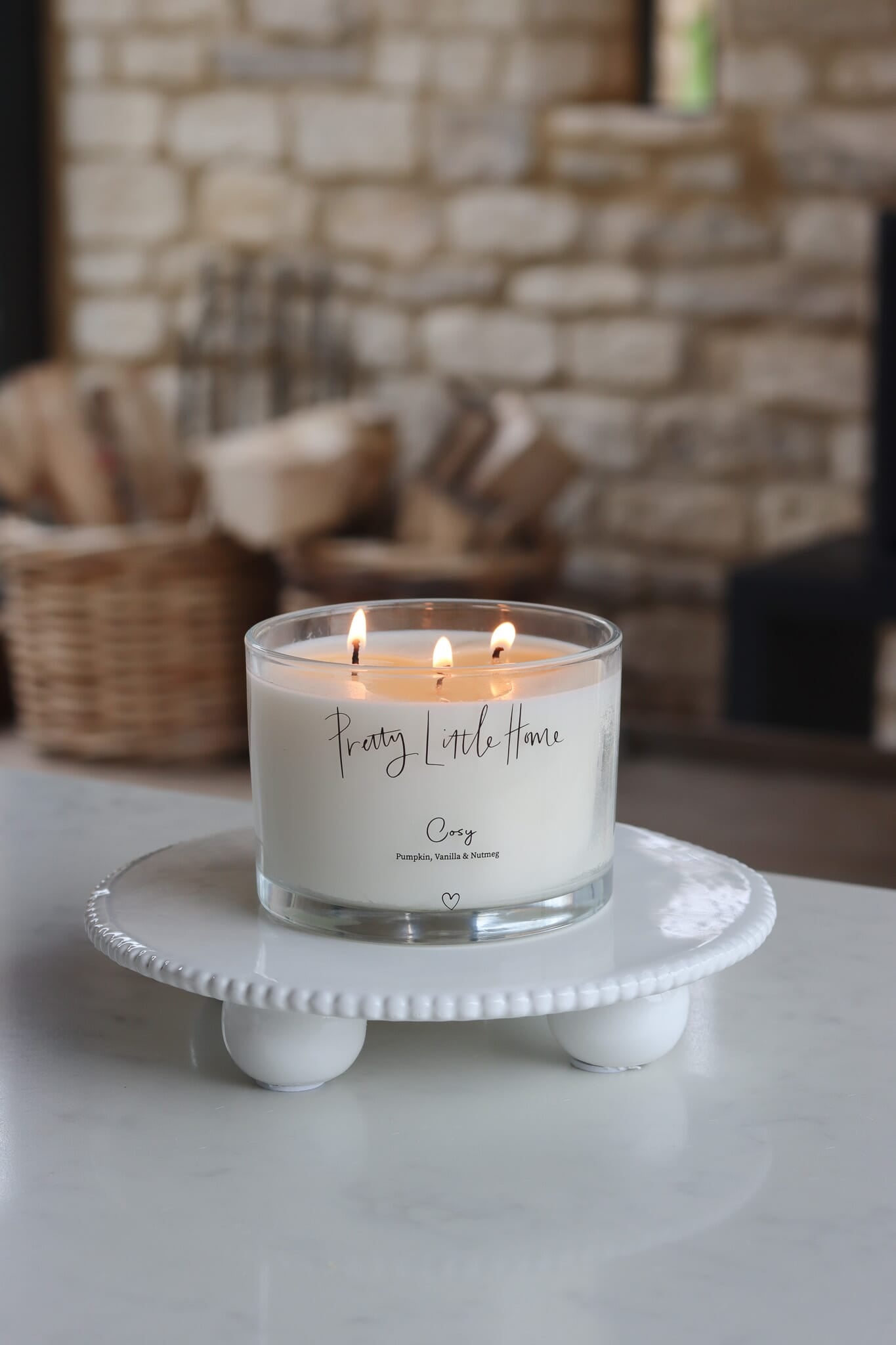
Scented Candle - Cosy
£57.90



Ben Goodwin
Jun 16, 2024
★
★
★
★
★
Great products for the home
We love our Grey Ceramic Wax Burners! Stylish, work perfectly and such a fantastic price. In fact, we were only planning on buying one, but when we saw the prices on the site, we ordered two!

Jeanette Wheeler
May 14, 2024
★
★
★
★
★
Great service & communication
Great service & communication. Ordered a beautiful sideboard from the Stamford collection. Was told when it had been dispatched and the courier who would be delivering it. Arrived in perfect condition and within two weeks of ordering. Thank you

Jane Derbyshire
May 11, 2024
★
★
★
★
★
Lovely company to deal with
Lovely company to deal with. I am thrilled with my new table, beautiful quality and looks exactly as it does on the website. I wish Refined Home every success, and I will definitely choose to shop with them again.

Janice
Apr 17, 2024
★
★
★
★
★
Beautiful quality
The website/purchasing process was very easy to use. Tracking facility was available to ensure parcel would be received. The lattice lamp is beautiful. Great detail, well made and very good quality.

Marilyn Neil
Apr 23, 2024
★
★
★
★
★
DELIGHTED WITH MY PURCHASE..
EASY TO USE WEBSITE, QUICK AND EFFICIENT CHECKOUT AND PAYMENT; GREAT SELECTION OF LOVELY HOME ITEMS; QUICK DELIVERY. DELIGHTED WITH MY PURCHASE.

Mark
Mar 29, 2024
★
★
★
★
★
Beautiful product which was half the…
Beautiful product which was half the price seen everywhere. Great service as arrived quickly and well packaged.

Victoria Anderson
Apr 16, 2024
★
★
★
★
★
First class each time
First class each time

Mrs Angela Warrener
Apr 8, 2024
★
★
★
★
★
My vases are lovely..
My vases are lovely. Very, very happy with them. A small issue with one of the lids was resolved quickly, fairly and without question and at no cost to me. Fabulous customer service. Would recommend products from Refined Home to anyone.

Karlyn Mcgowan
Mar 25, 2024
★
★
★
★
★
Great service
Great service. Order came next day. Well wrapped to ensure no breakages. Delivery guy was friendly. This is my 3rd order & I’m really pleased with my ginger jars. I’ve just ordered another.

Michael H –
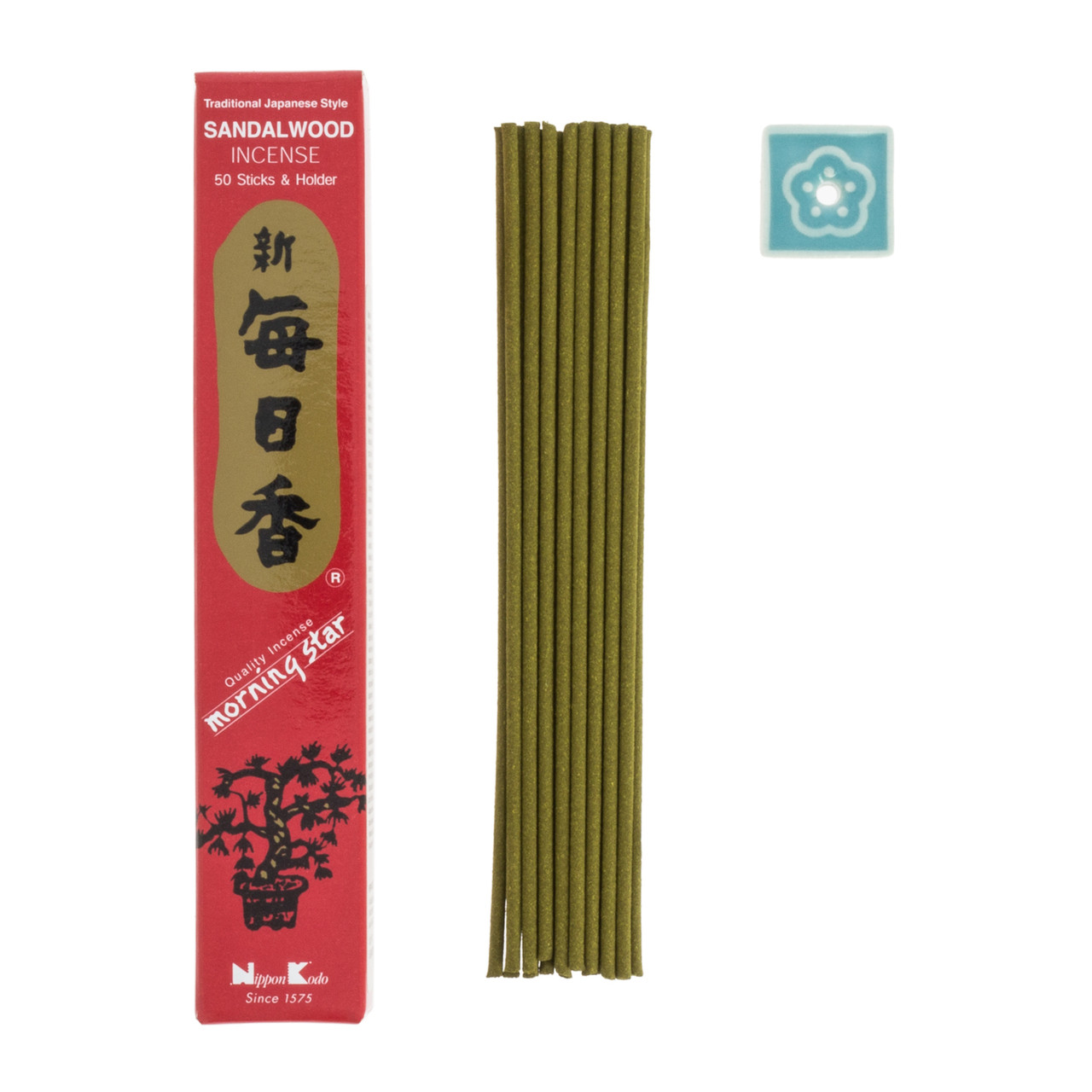
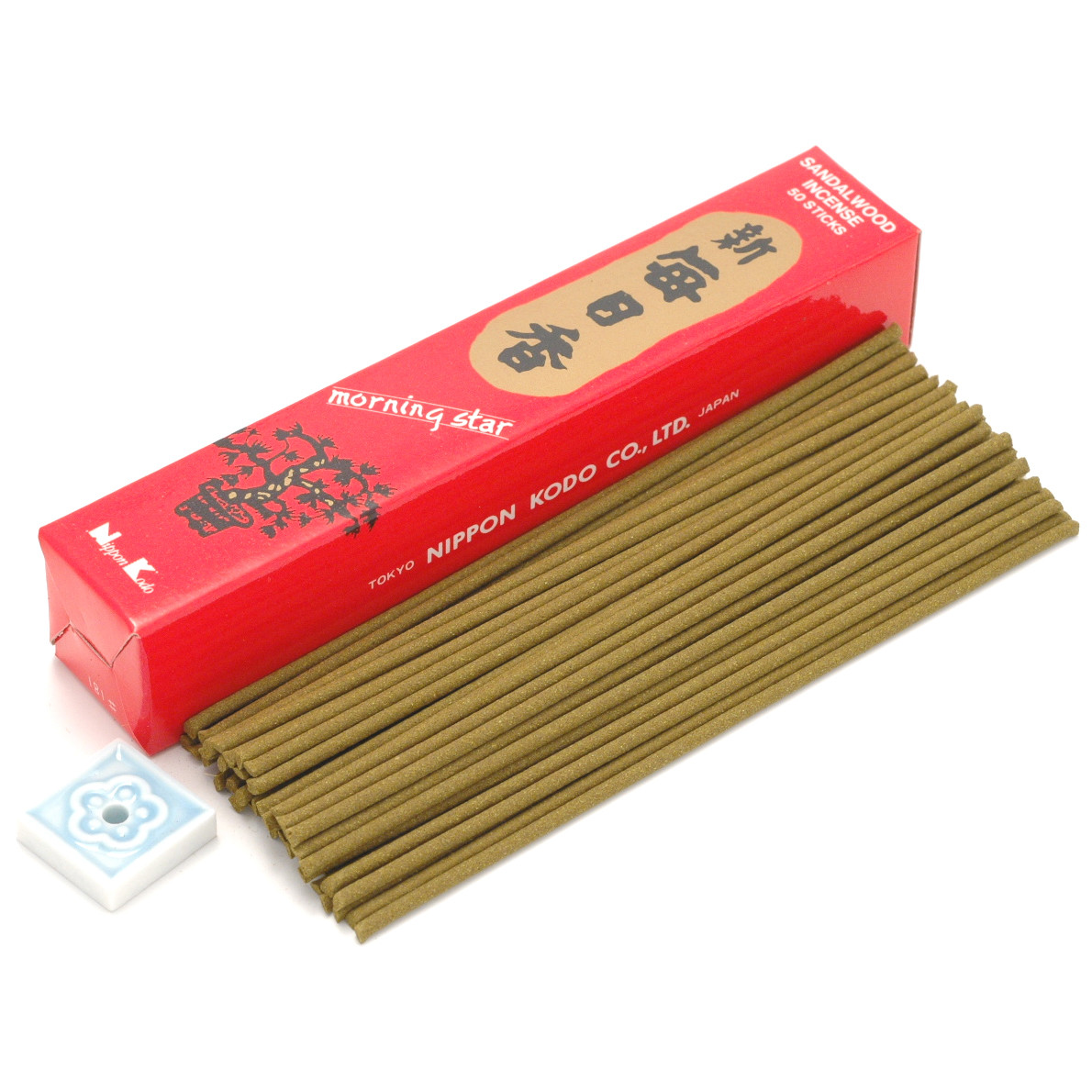
I find Japanese incense to be a lot more subtle than many of the Indian incenses; they do not kick you in the nose so much. I have used a similar Japanese incense to this one which had sandalwood. However, this one differs as it has not sandalwood, but aloeswood. I find it to be a sweeter, more subtle fragrance than the sandalwood variety, but with a similar background scent as it were. Little smoke and burns for a good amount of time, being about 30 minutes. If you like Japanese incenses but want one without sandalwood, then try this. I don‘t think you’ll be disappointed.